
In the middle of an Arkansas dirt field, hope doesn’t look like a sunset—it looks like a bucket of mud.
We’ve all felt that restless itch to find something life-altering, but few of us actually grab a shovel and head into the muck to find it. Director Caitlyn Greene—a filmmaker with a surgical eye for the “extraordinary ordinary”—returns with The Diamond, an achingly beautiful and profoundly human documentary that explores the intersection of literal grit and spiritual hope.
Set at the Crater of Diamonds State Park in Arkansas—the only place on Earth where the public can dig for diamonds and keep them—the film quickly subverts any expectation of a “get rich quick” narrative. Greene isn’t interested in the sparkle; she’s interested in the sweat. Through a series of intimate vignettes, we are introduced to a community of searchers for whom the dirt is a sanctuary.
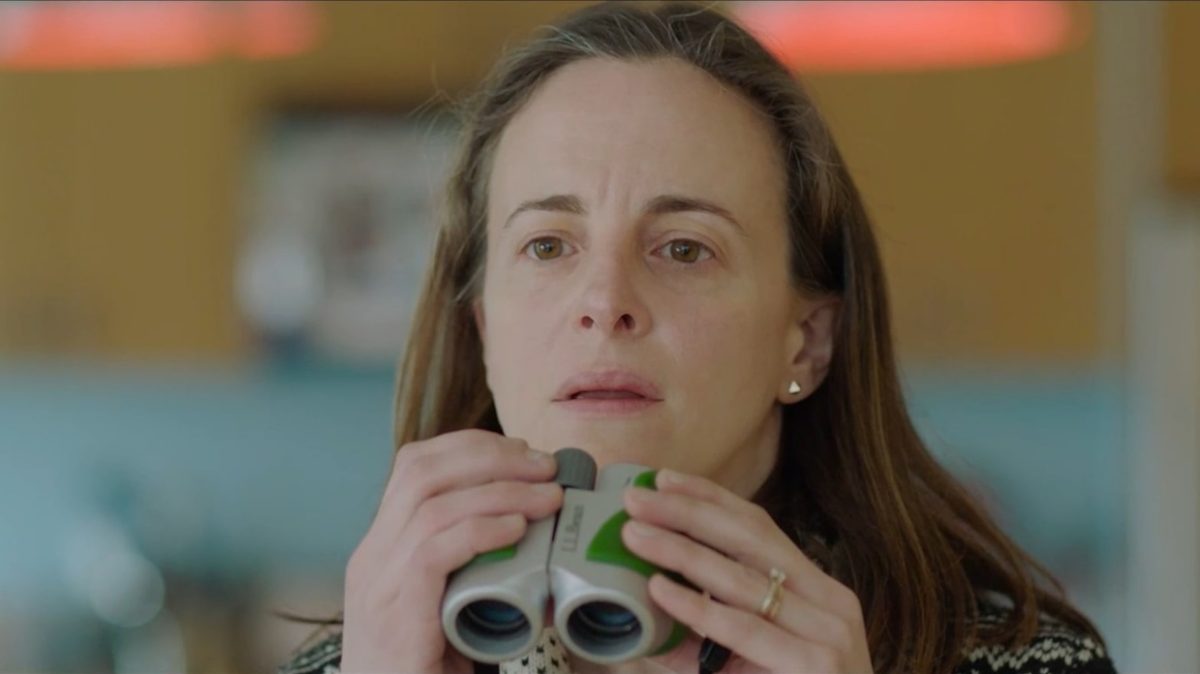
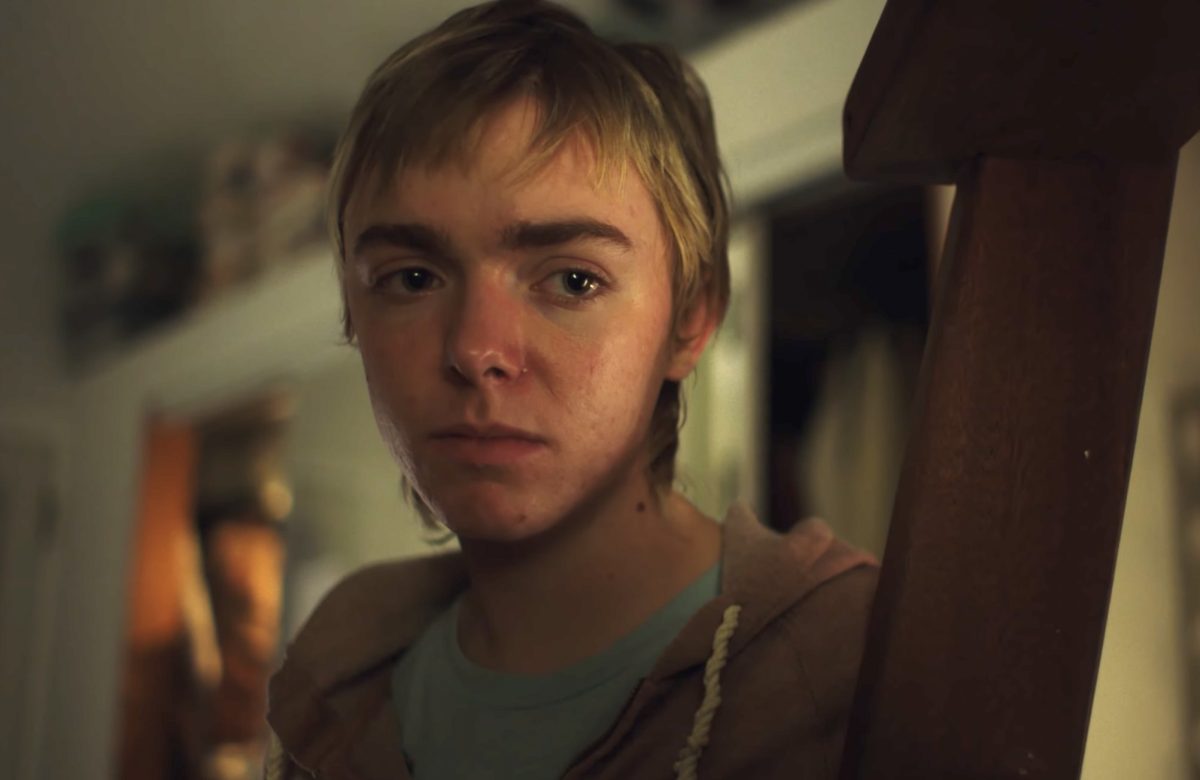
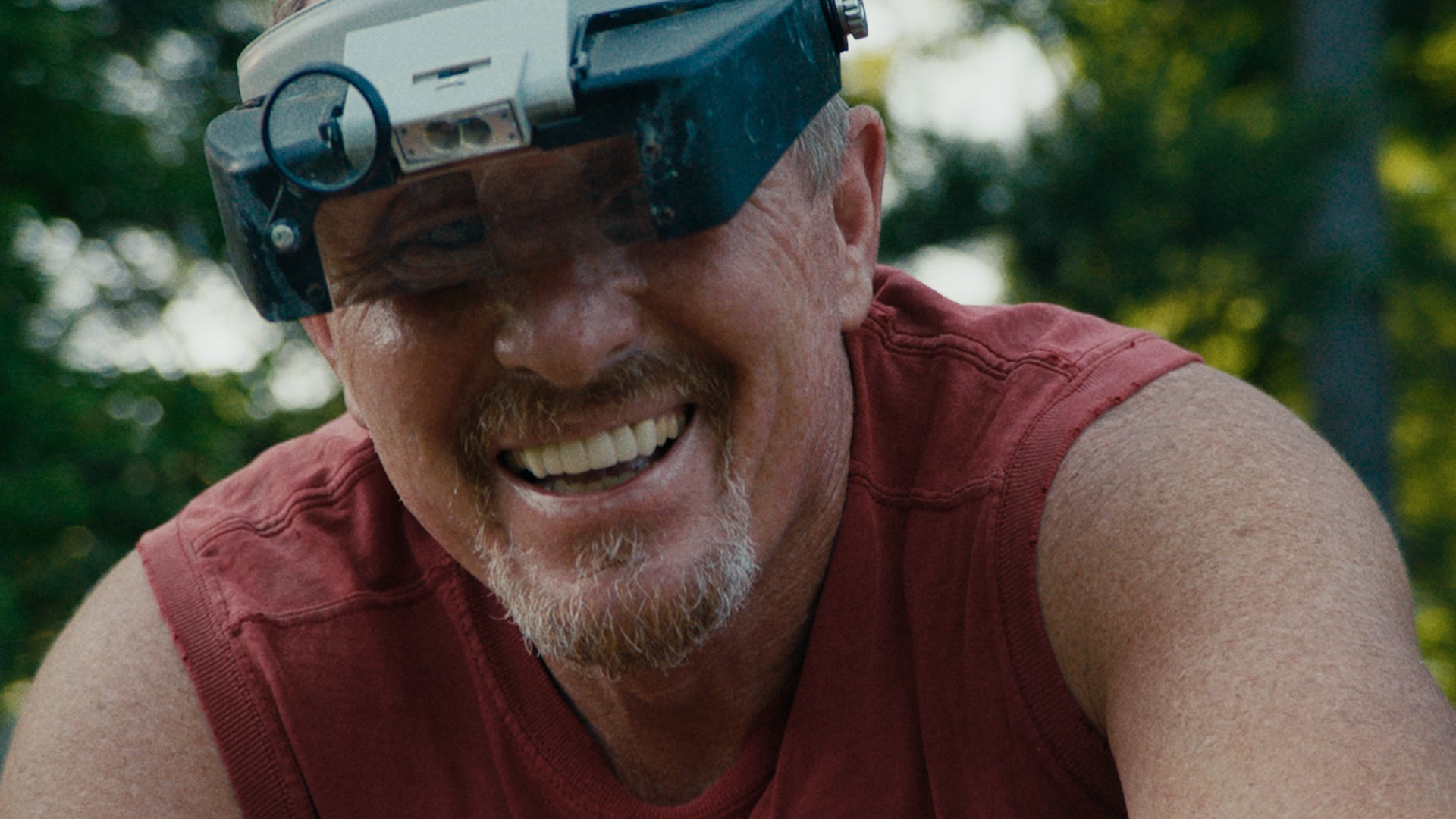
The film’s emotional anchor is its cast of real-world searchers. We meet David, a veteran miner who describes himself as a “ghost,” sifting through the earth as a way to honor the friends he’s lost. We listen to a former soldier who candidly compares the act of digging to “ripping scabs off a wound,” using the rhythmic physical labor as a form of therapy for the trauma of war. There are sisters processing the death of their parents and couples finding a “state of flow” in the silence of the field.
What makes The Diamond such a standout short film is its atmospheric visual language. DP Nick Perron-Siegel manages to make the brown, sun-scorched earth look like a holy landscape. The camera lingers on weathered hands, focused eyes, and the hypnotic splash of water against a sieve. The sound design is equally tactile—the clink of metal on stone and the heavy slop of mud create a sensory experience that immerses you in the labor.
Ultimately, Greene has crafted a “state of the union” found in a muddy trench. It is a film about the American Dream in its most honest form: the persistence required to keep looking when the odds are stacked against you. It reminds us that while we might go into the dirt looking for a miracle, the real treasure is the resilience we find in ourselves—and each other—along the way. This is documentary filmmaking at its most empathetic and essential.