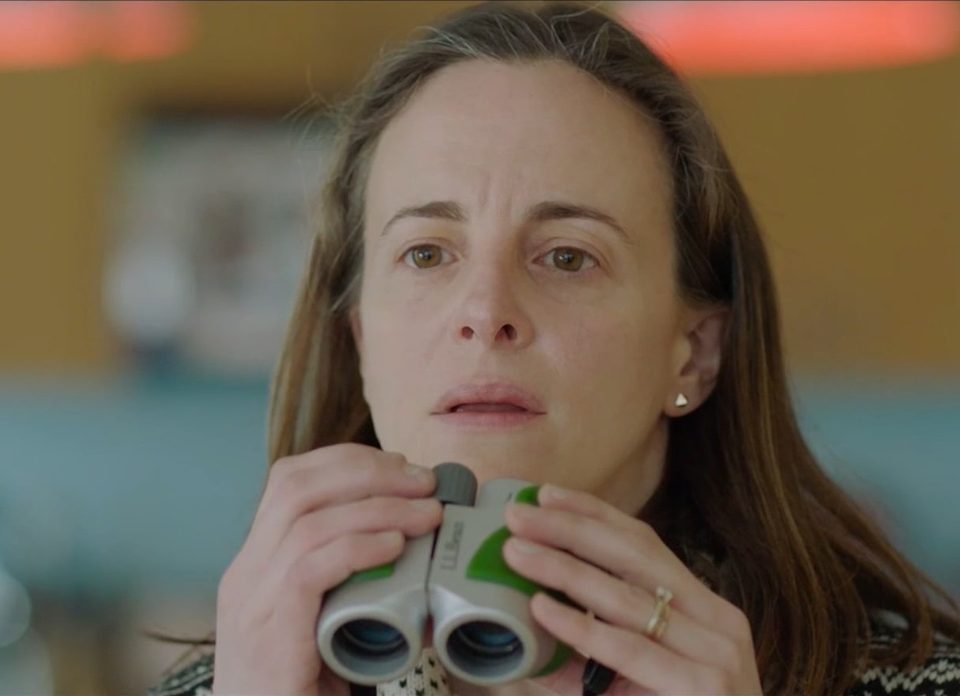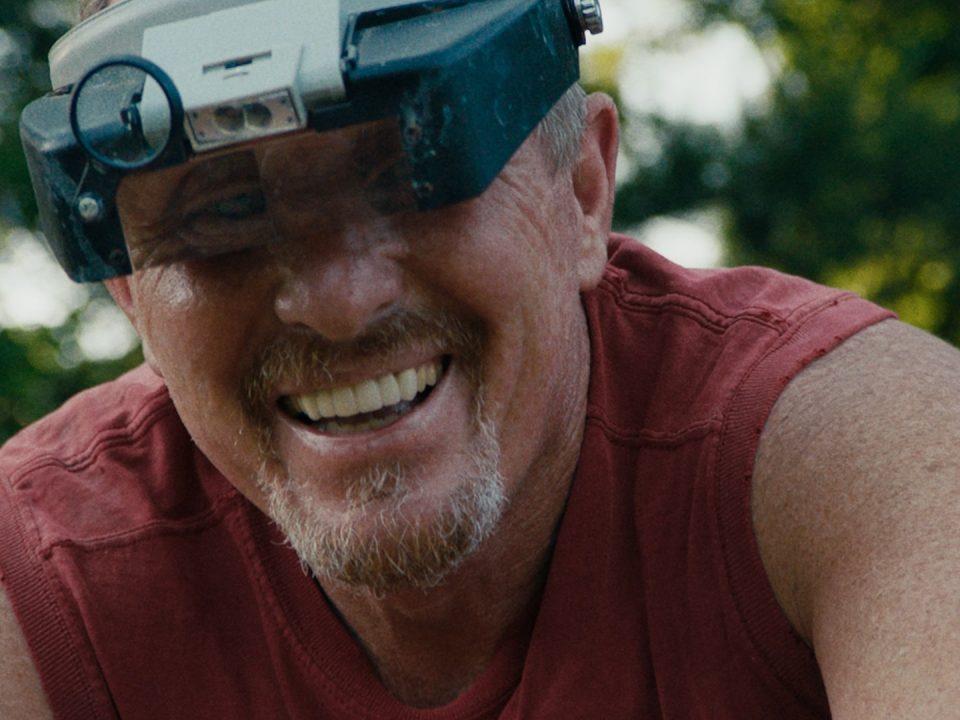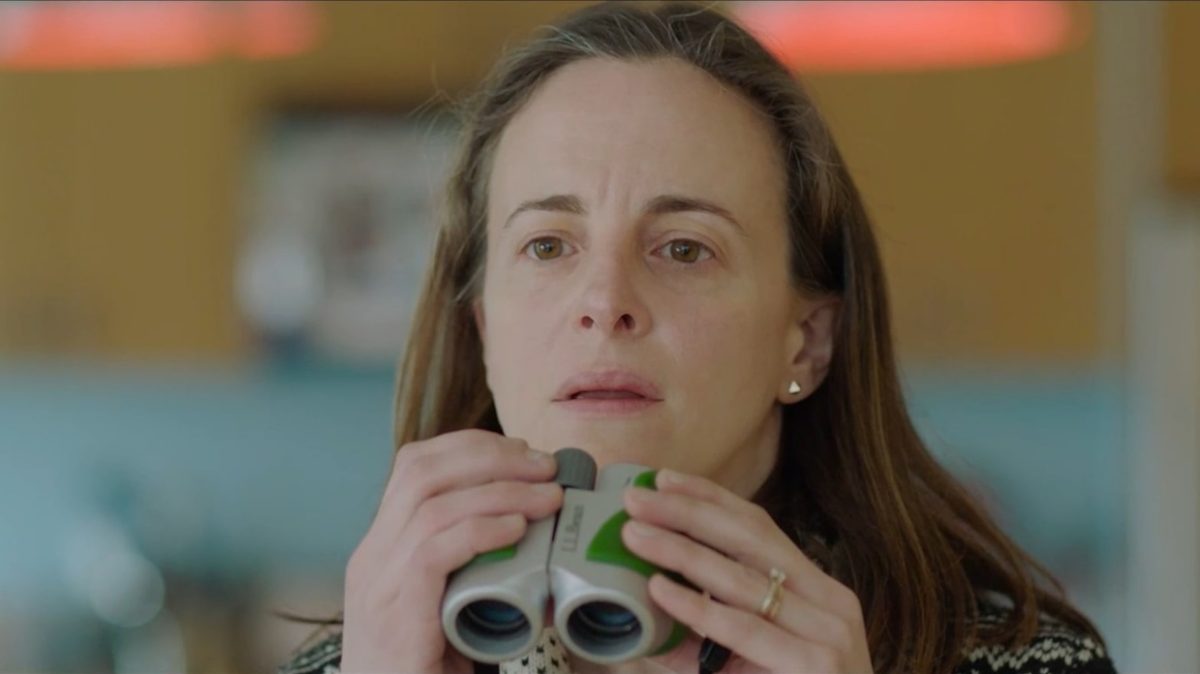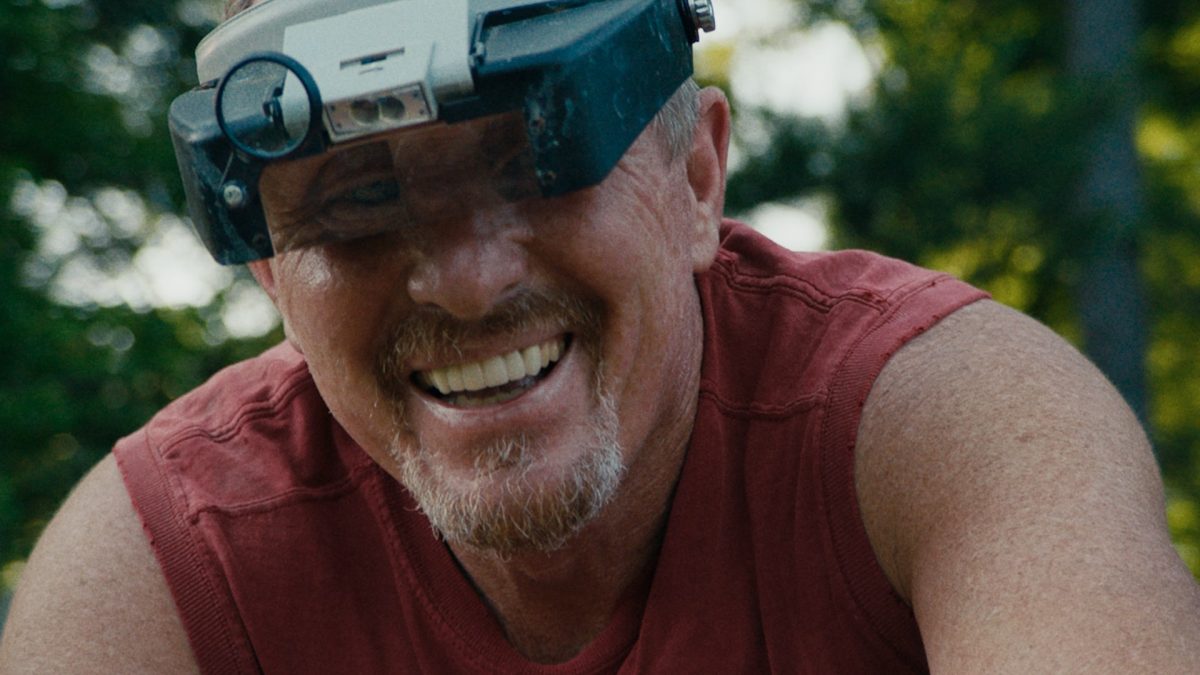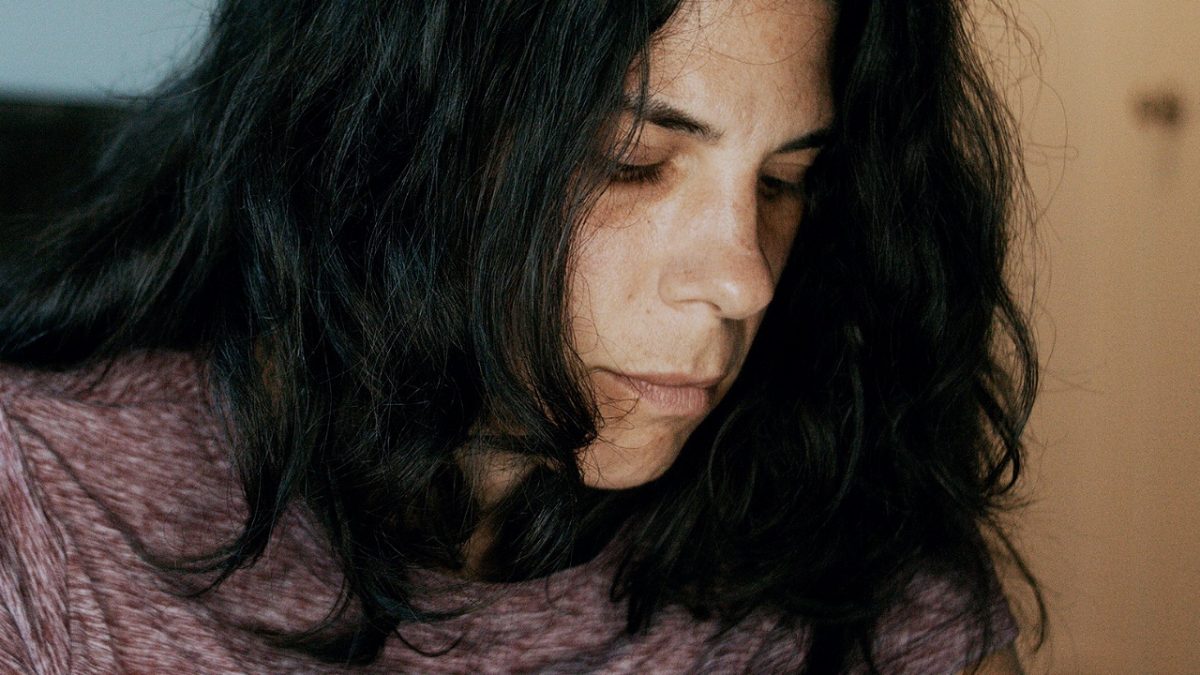

In Baby Kate, filmmaker Jennifer Lafleur exposes the act of “moving on” as a fragile, necessary fiction. A profoundly sobering exploration of the architecture of loss, the film transforms a routine meeting to sign divorce papers into a high-stakes excavation of a shared history. It is an intimate, “vibey” drama that understands that while a marriage can be dissolved, the parenthood of a lost child remains an indelible, haunting imprint.
Grief is a ghost that refuses to be evicted, no matter how many legal papers you sign.
The narrative hook is a masterclass in subverting expectations. We open on a tender morning ritual between a mother and her daughter�a sequence rendered with such “raw authenticity” that the revelation of its impossibility feels like a physical blow. When David (Jason Ritter) arrives to meet Rebecca (Lafleur), the audience is forced to realize we have been inhabiting Rebecca�s internal landscape, a world where their daughter is still a lingering, tactile presence.
The film earns its emotional weight through its two lead performances. Jason Ritter, a seasoned actor known for his nuanced, empathetic work in Parenthood and Girls, brings a complex, defensive energy to the role of David. Ritter cleverly plays against his “nice guy” persona, portraying a man so desperate to outrun his trauma that he is willing to negotiate away his own daughter’s legacy to start over.
Opposite him, Lafleur delivers a performance of staggering intensity. Having established herself as a mainstay of the indie circuit in projects like the Duplass Brothers’ The Do-Deca-Pentathlon and HBO�s Big Little Lies, she here demonstrates a remarkable ability to command a film’s silence. As both director and lead, she navigates the “pressure cooker” of the dining room with a deliberate pacing, knowing exactly when to let her character�s composure slip. The professional history between Ritter and Lafleur�frequent collaborators in the independent film community�lends their interactions a naturalism that feels discovered rather than scripted.
Visually, DP Shaheen Seth employs an observational style that positions the audience as a voyeur to an emotional unraveling. The visual language is grounded in the mundane�the “vacation cereal,” the half-packed boxes�which only heightens the surreal ache of Kate�s “secret nest” in the closet. Lafleur resists moral simplicity, allowing the characters to sit in their “floating awkwardness” until the final, devastating revelation.
What makes Baby Kate such a moving watch is its refusal to offer tidy closure. It recognizes that ruin grows in the spaces where love is no longer spoken. The final image�Rebecca seeking solace among the clothes of a life that no longer exists�is as visually mesmerizing as it is a genuine “gut-punch” of sincerity.
Having stoped at notable stops on the festival circuit including SXSW, Baby Kate cements Jennifer Lafleur as a filmmaker with a clear command of technical craft and a gift for turning the most spectacular human bonds into nuanced, unforgettable allegories.