

Sometimes the bravest thing you can do is answer the phone. And sometimes, even braver — you make the call yourself.
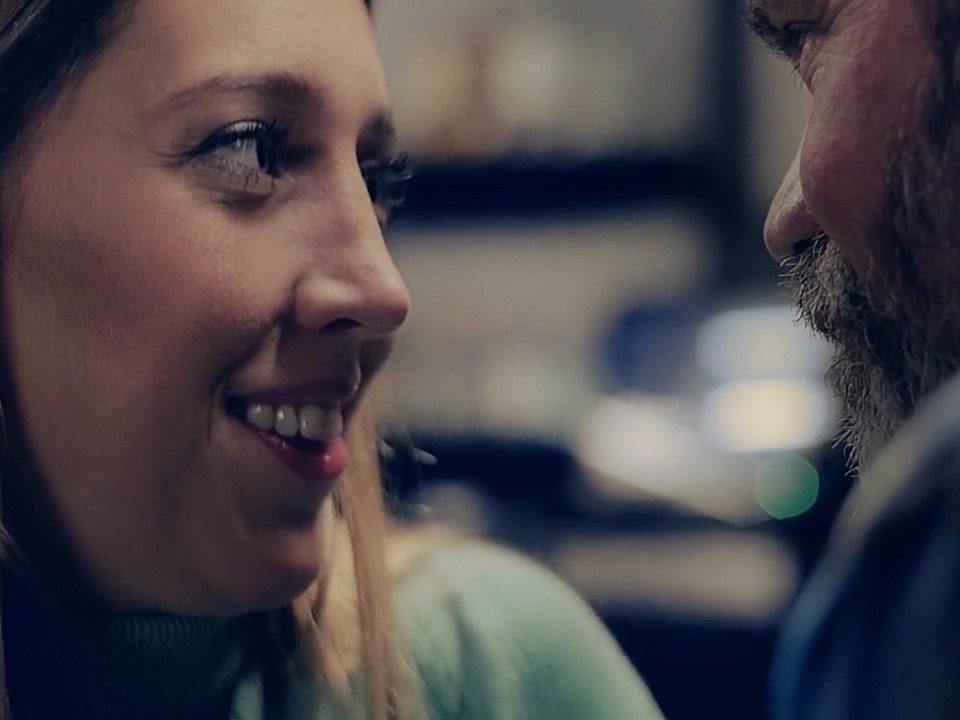
“Wanna Talk” is a gut-punch disguised as a four-minute short. Directors Thales Corrêa and Vitor Cardoso strip everything down to essentials — two faces on a screen, the silence between them, and the slow miracle of connection finding its way through. What emerges is one of the most honest depictions of depression and therapeutic care you’ll find anywhere, at any runtime.
The film understands something crucial:
When you’re at your lowest, words aren’t just hard — they’re impossible. So it asks a different question. What if connection didn’t require conversation? What if presence alone was enough to begin?
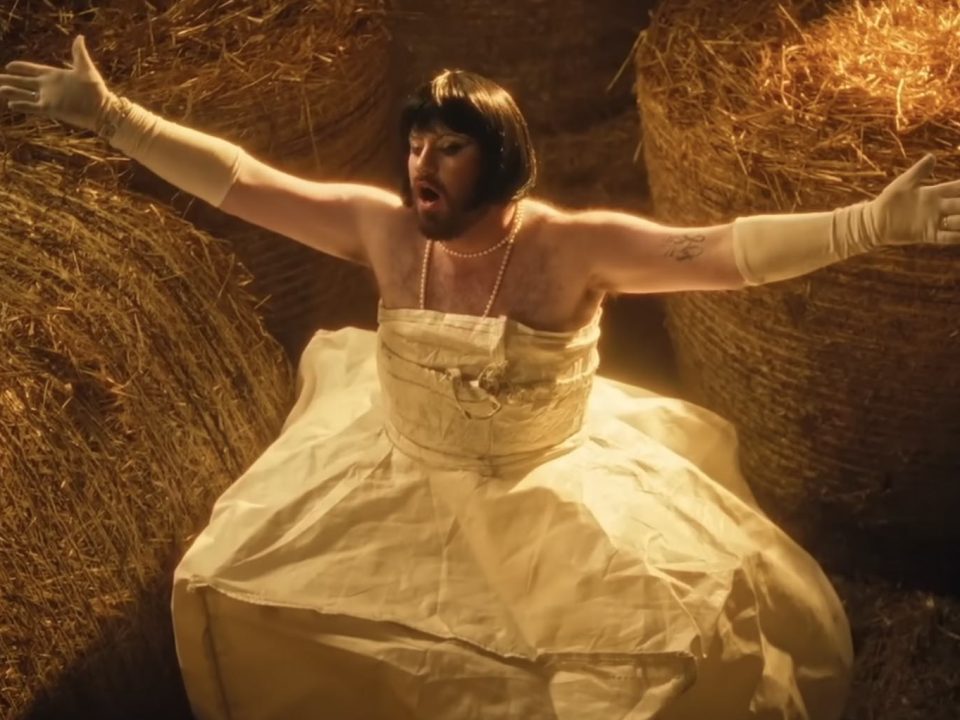
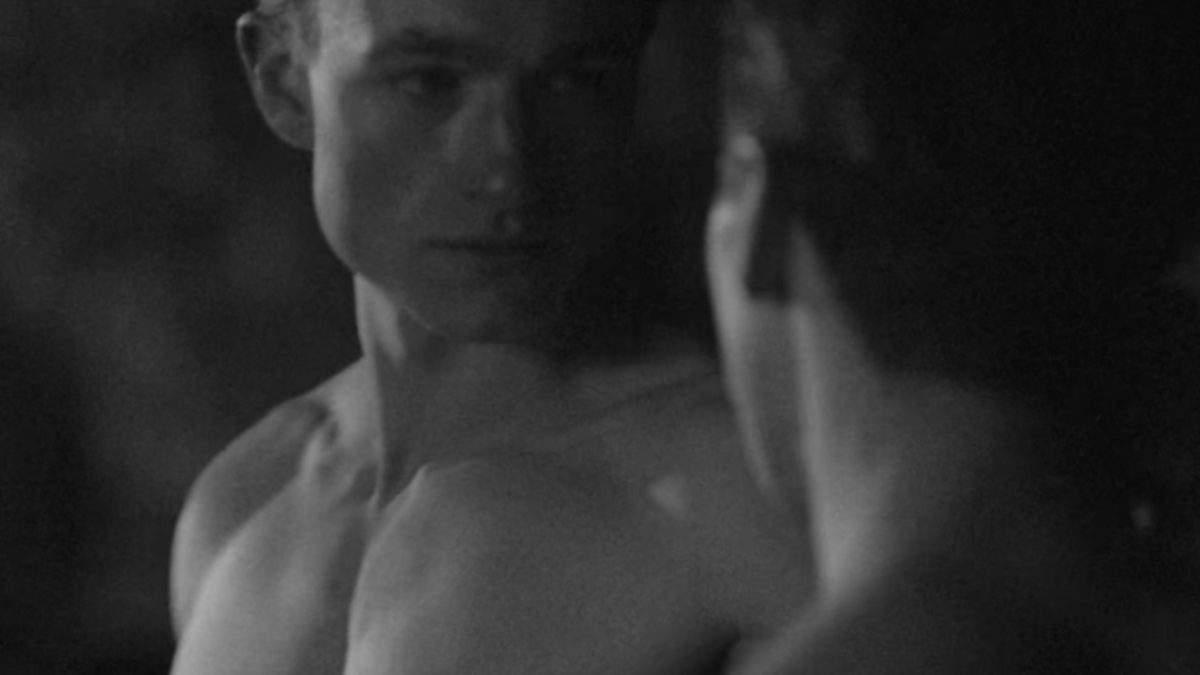
Through a series of video call sessions, we watch a therapist refuse to give up on someone who can barely show up. Not with lectures or breakthroughs or dramatic interventions — but with patience. With silliness. With the radical act of staying. It’s a portrait of how we reach each other when the usual routes are blocked, and it never once feels small.
And then there are these two performances.
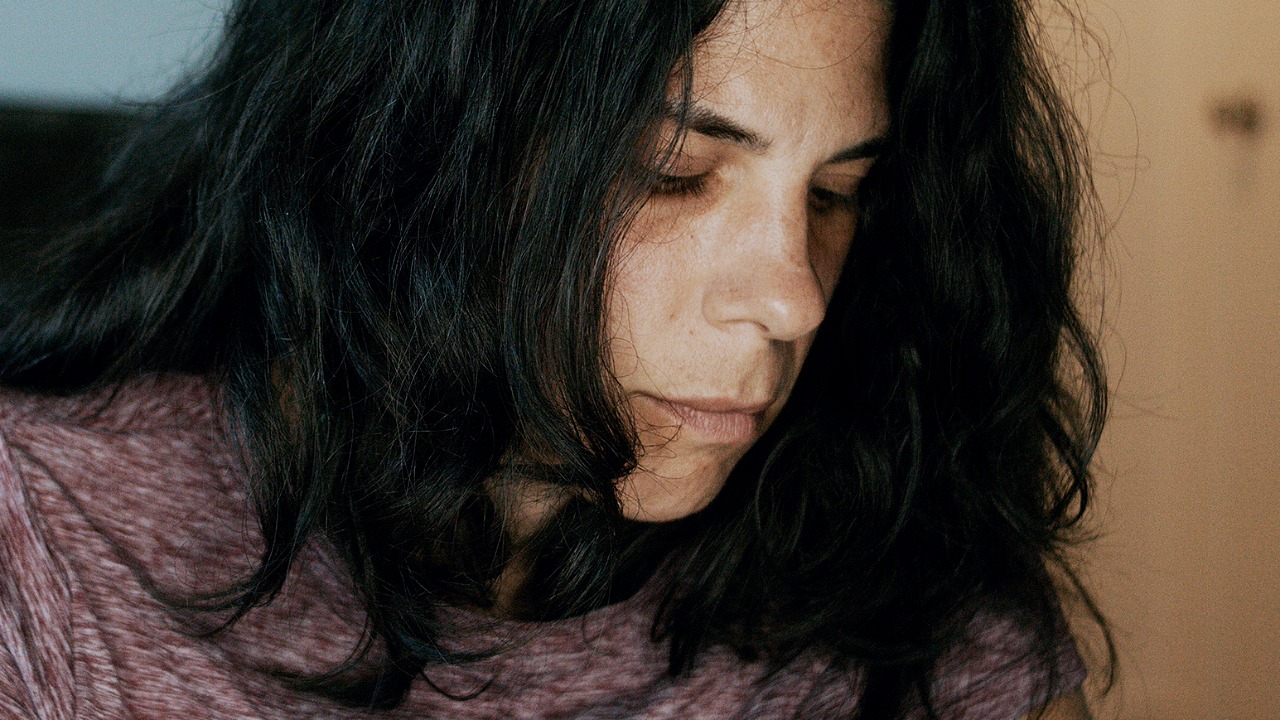
Carolla Parmejano as Lucy is tragically stunning. This is acting at its most exposed — no dialogue to hide behind, no plot to carry her through. Just a woman moving through the stages of survival: the numbness, the tentative return, the collapse, the choosing to try again. Parmejano makes you feel all of it without saying a word. The stillness alone is devastating. When she finally speaks at the end, it lands like a thunderclap precisely because she’s earned every second of silence before it.
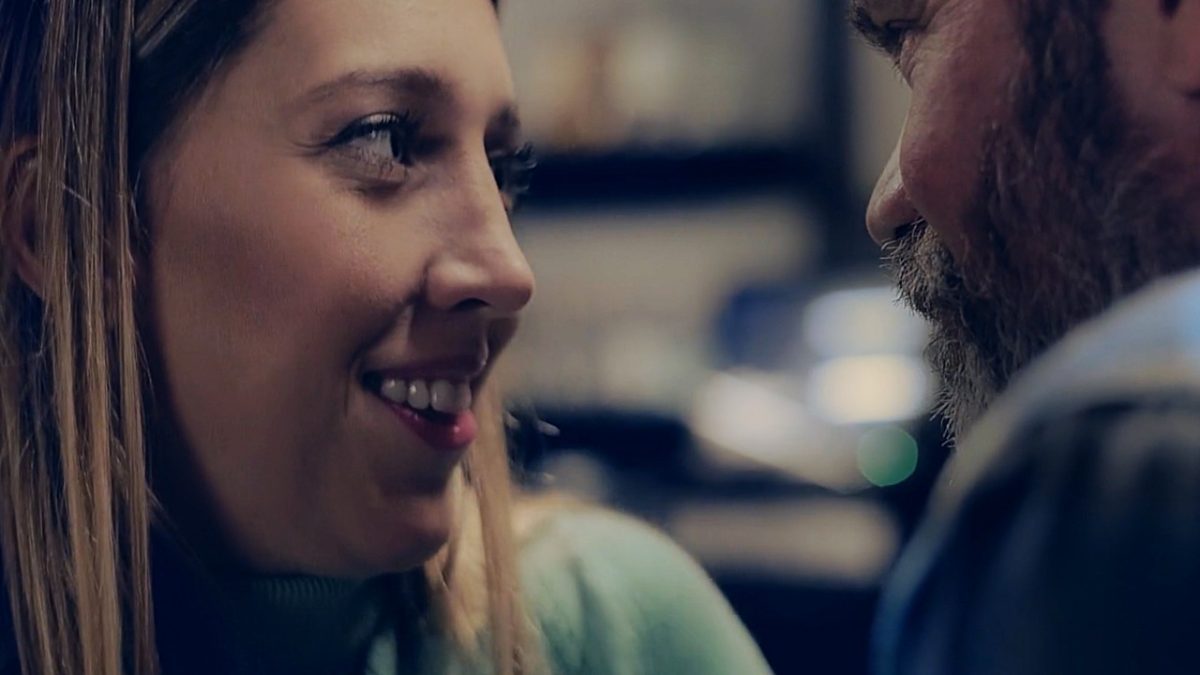
Andrea Flowers as Brianna is the perfect counterweight — warm, grounded, endlessly present. There’s no performance of empathy here, no theatrics. Just the quiet, steady work of showing up. Flowers is a frequent collaborator of Corrêa’s, and you can see why. She brings the kind of naturalism that makes you forget you’re watching a film. Brianna feels like someone you’d be lucky to have in your corner, and Flowers makes that luck feel real.
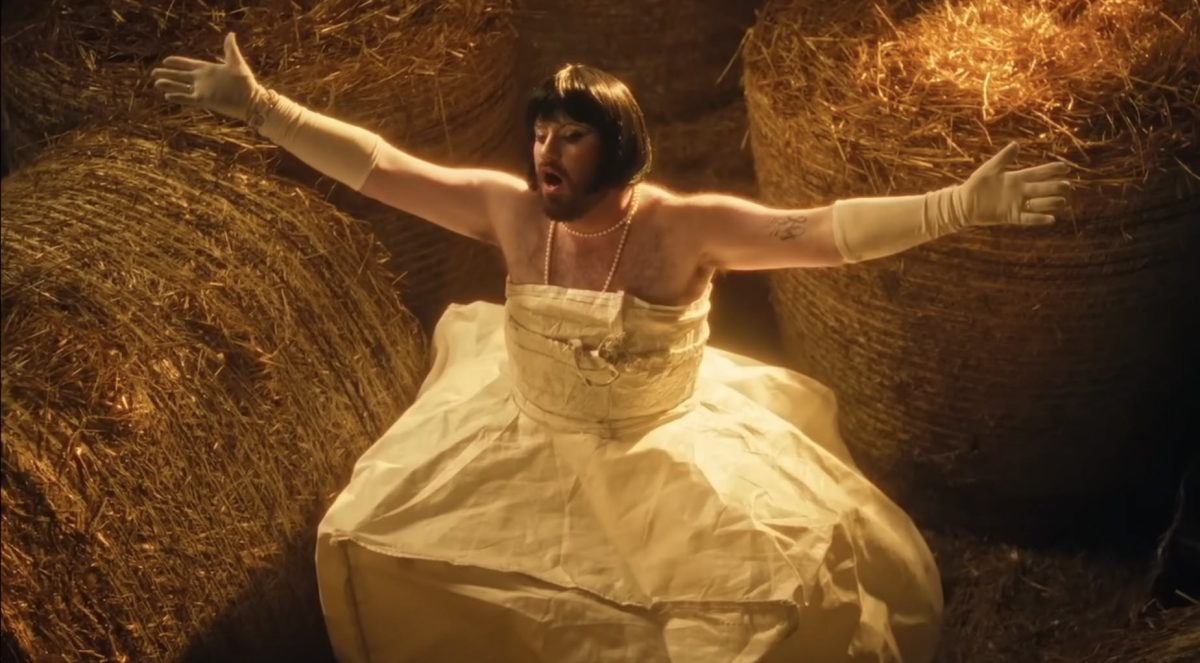
At under four minutes, “Wanna Talk” accomplishes what many features fail to do: it makes you feel seen. It understands that recovery isn’t linear, that sometimes you dance one day and collapse the next, that the smallest gestures can carry the largest weight.
The brevity isn’t a constraint — it’s a statement. This is filmmaking distilled to its emotional essence.
Sometimes the bravest thing is answering. Sometimes it’s finally being ready to talk.