

The world doesn’t always end with a bang; sometimes, it ends with a forgotten rifle, a lukewarm beer, and a memory you can’t quite shake.
In Auden Lincoln-Vogel’s Bill and Joe Go Duck Hunting, a mundane outing is stripped of its purpose, leaving only the raw, unfiltered interaction of two men facing the unthinkable. What begins as a deadpan comedy of errors quickly mutates into a haunting cinematic vision, proving that the most profound human bonds are often forged in the silence before the horizon disappears.
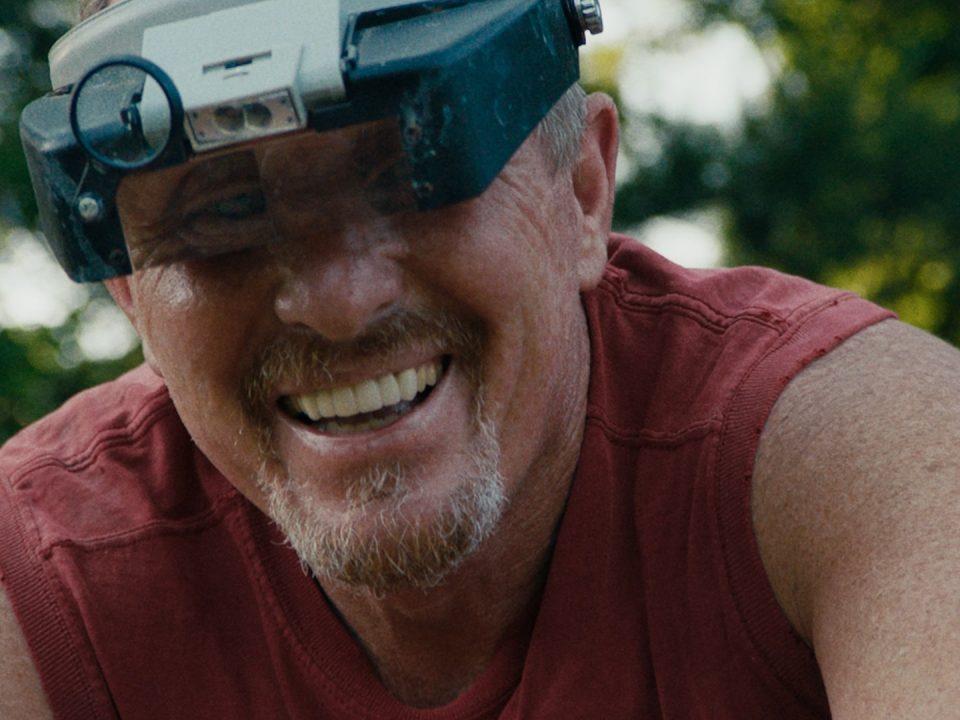
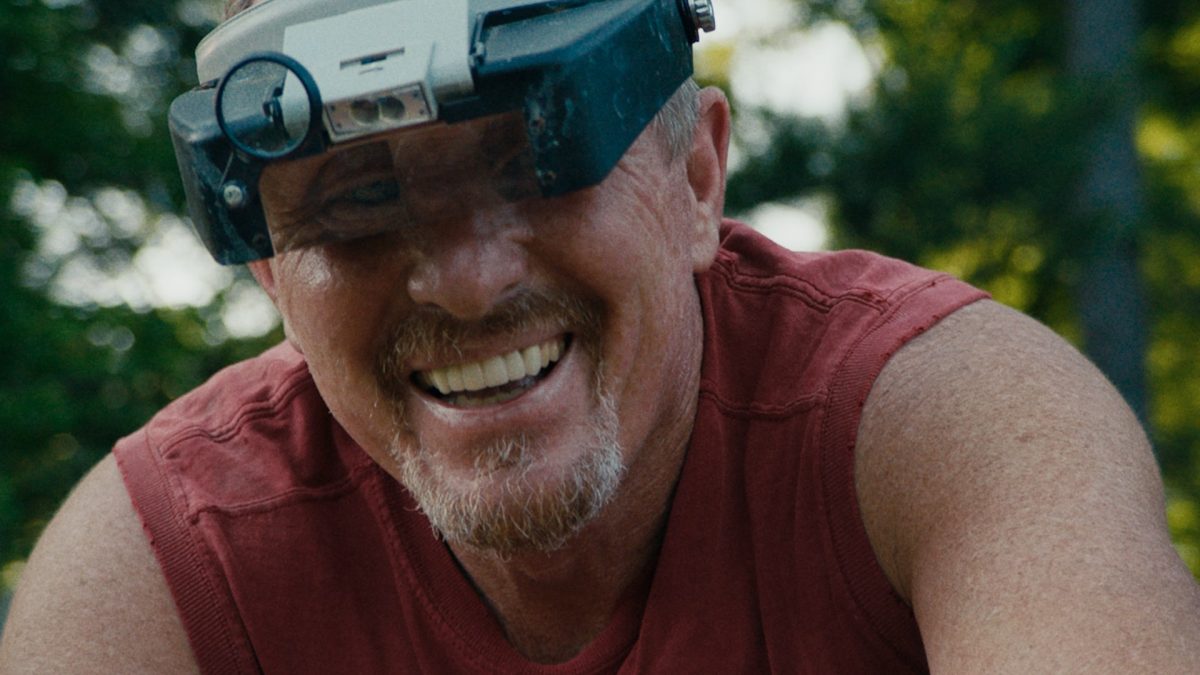
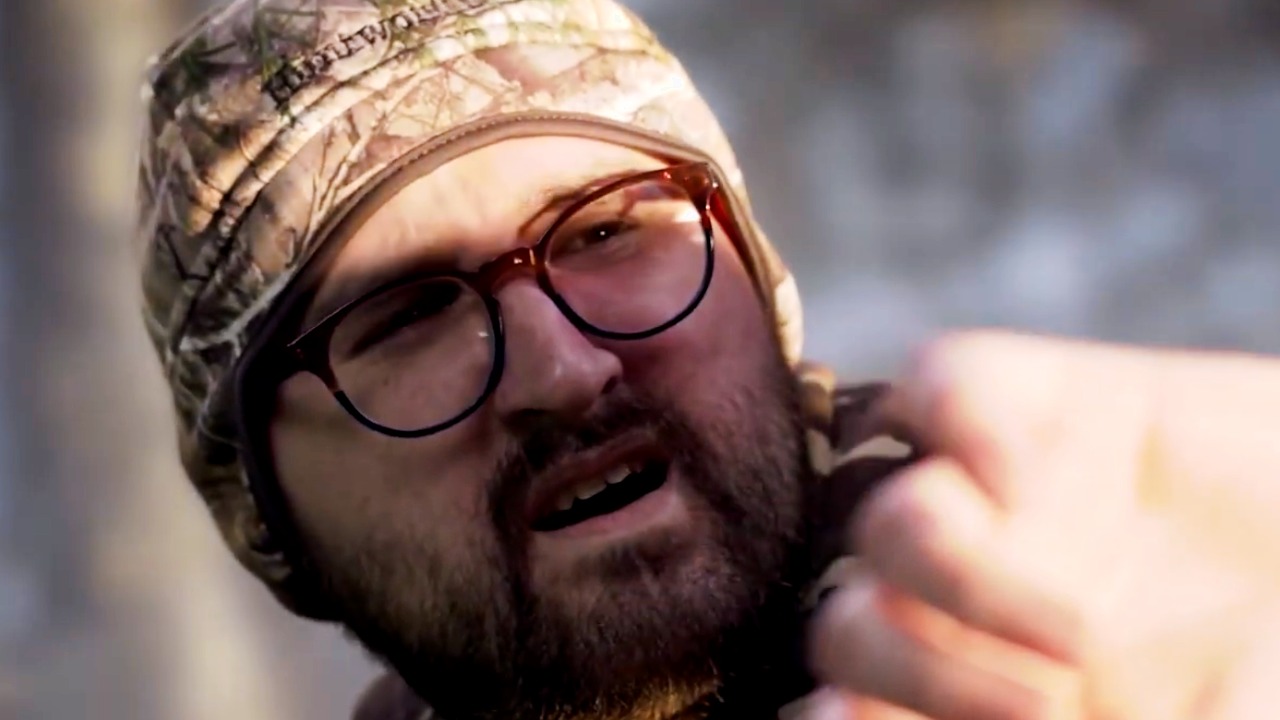
The narrative hook is deceptively simple: Joe (Ben Dulavitch) has forgotten the gear. Left gunless and adrift on a gray lake, Joe and Bill (Alex Denison) occupy their time with “bruskeys” and aimless banter. Lincoln-Vogel uses this “pressure cooker” environment to pivot into an evocative monologue where Joe recounts seeing a “hill of water”—a literal ripple in the lake’s surface—as a child. It is a moment of “weird impossibility” that his grandfather met with inexplicable anger, a memory that sits at the core of the film as a metaphor for the wonders we are taught to ignore.
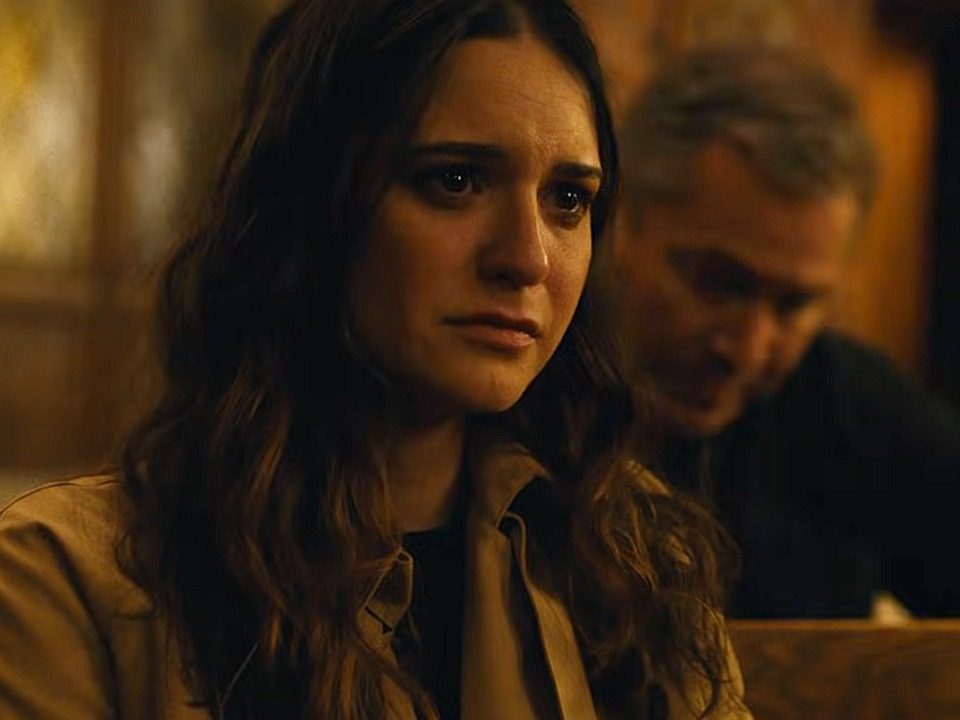
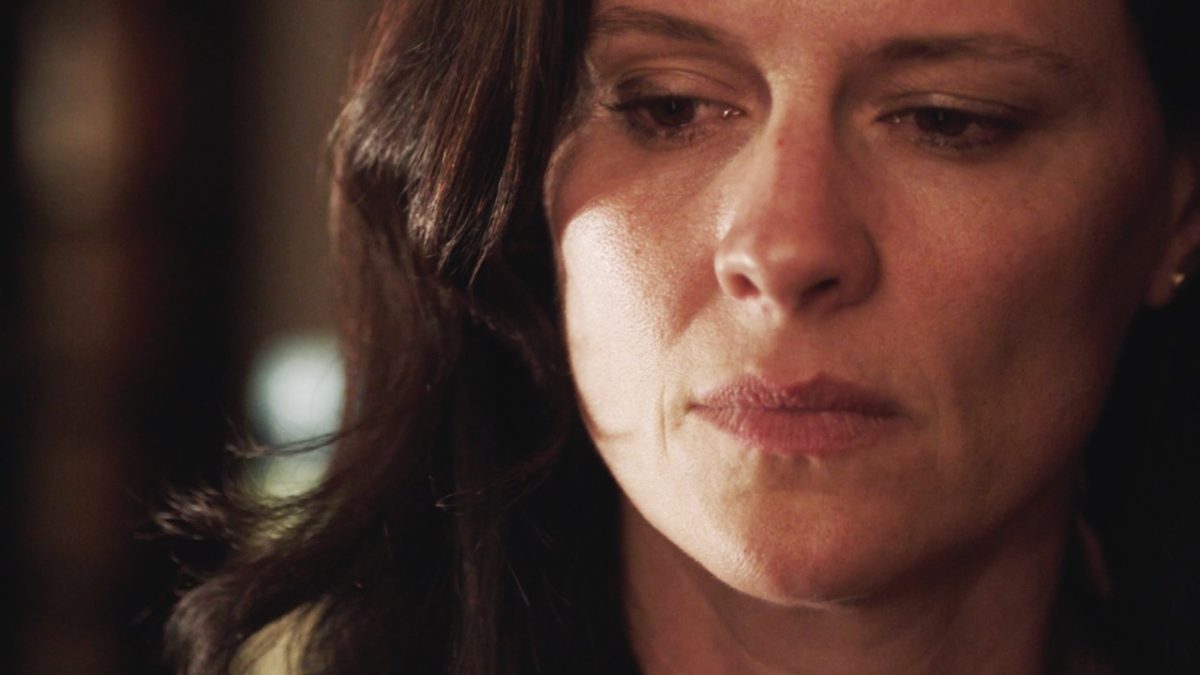
The film earns its power through a “spectacular viewing experience” that refuses to prioritize spectacle over humanity. Crucially, Lincoln-Vogel resists moral simplicity, allowing the characters to sit in their “floating awkwardness” even as the world ends. The dialogue feels “raw and authentic,” capturing the specific mental rhythm of men who use sports talk and beer as a defensive shield against the existential weight of their lives.
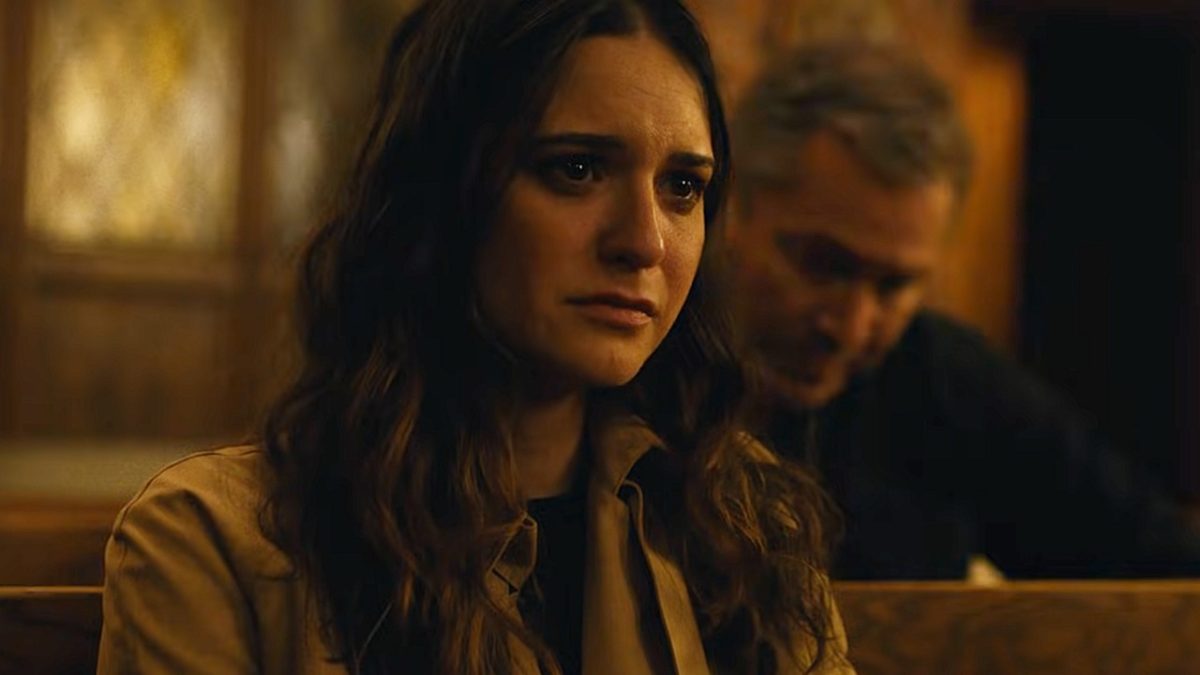
Visually, DP Philip Rabalais immerses us in a world of muted, autumnal textures. The cinematography captures the “vastness and emptiness” of the location, using a visual language that subtly changes when the dreamlike elements take over. This formal strategy positions the audience as an onlooker to a tragedy we are just as unprepared for as the protagonists. The sound design—specifically the shift from quiet nostalgia to the palpable force of a distant nuclear impact—reverberates through the viewer, providing the ultimate “gut-punch.”
What makes Bill and Joe Go Duck Hunting such an engaging watch is its final, devastating truth: ruin accumulates like sand, grain by grain, until it forms a divide neither party can overcome. Joe looking into the light, finally witnessing a “hill of water” he can’t ignore, is a haunting image that stays with you long after the screen goes black.
Auden Lincoln-Vogel is a filmmaker with a clear command of visual craft and a talent for transforming “trauma into allegory.” Having made its stop on the festival circuit, the film marks him as a bold voice in contemporary short-form cinema—one who reminds us that in trying to protect the lives we’ve built, we often lose the ability to see the miracles right in front of us.