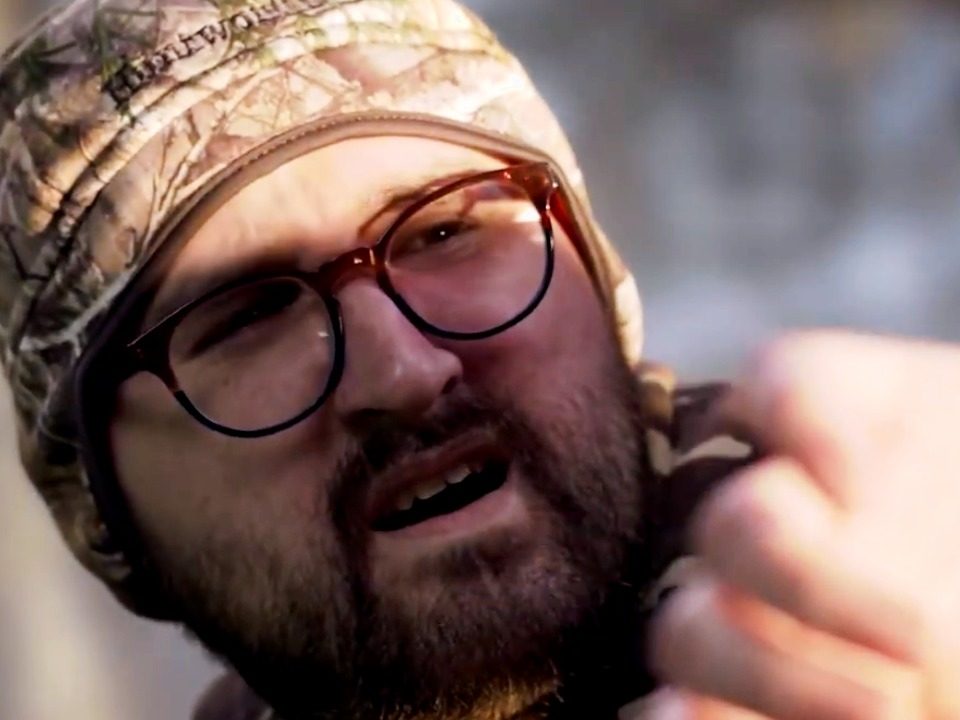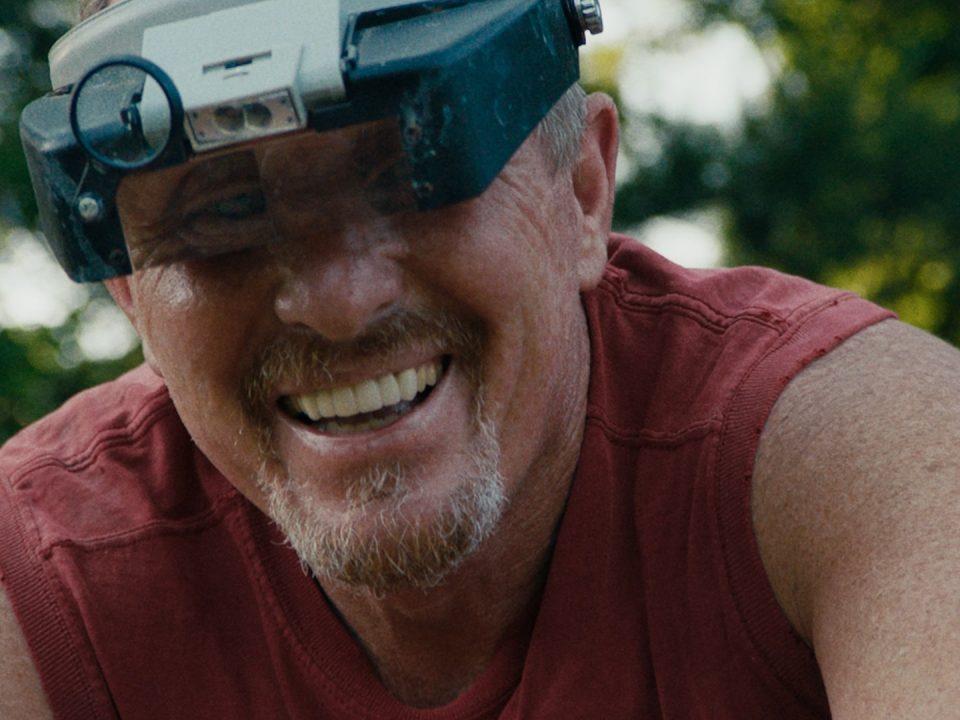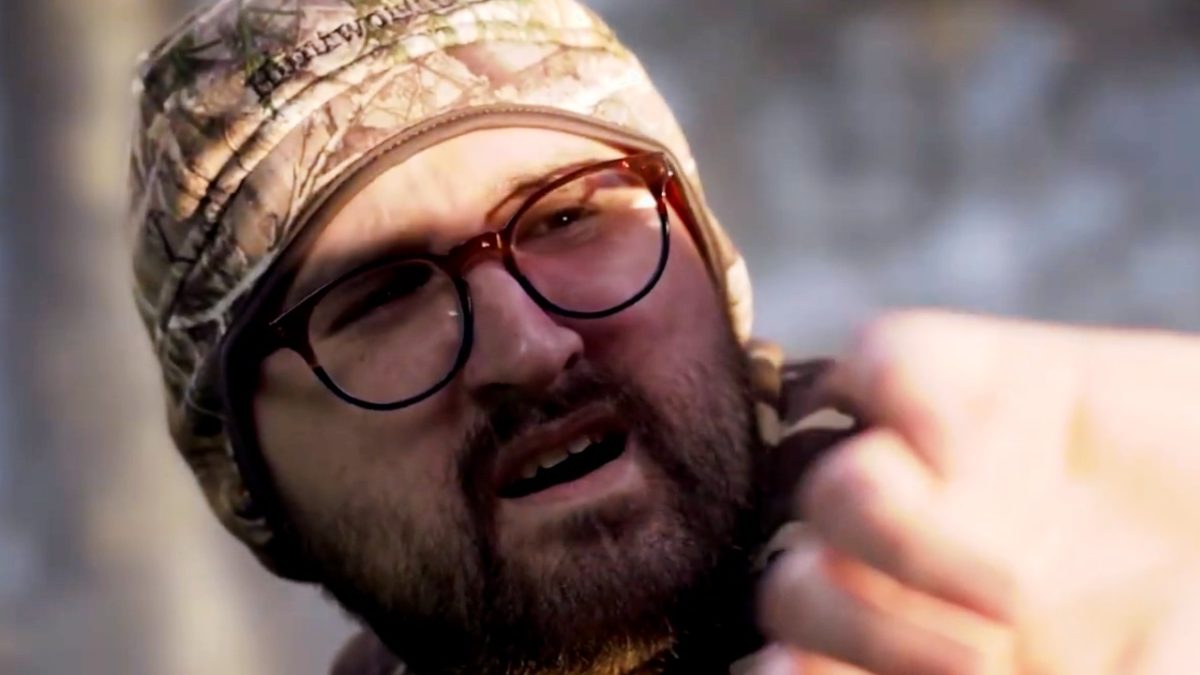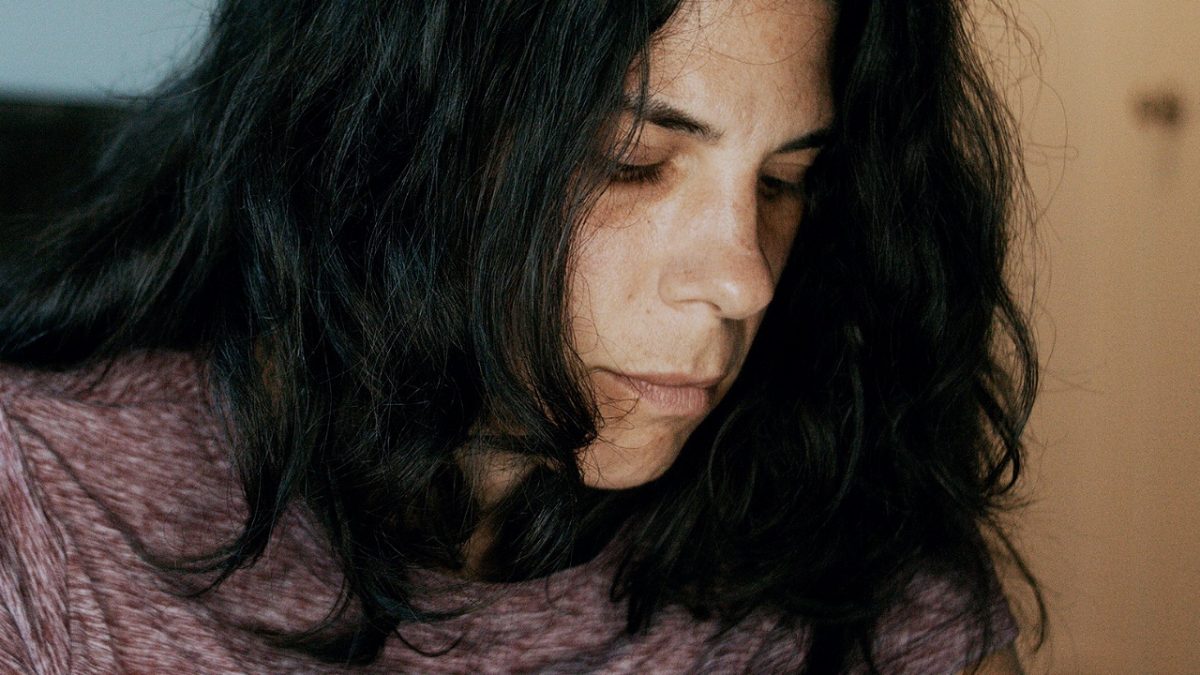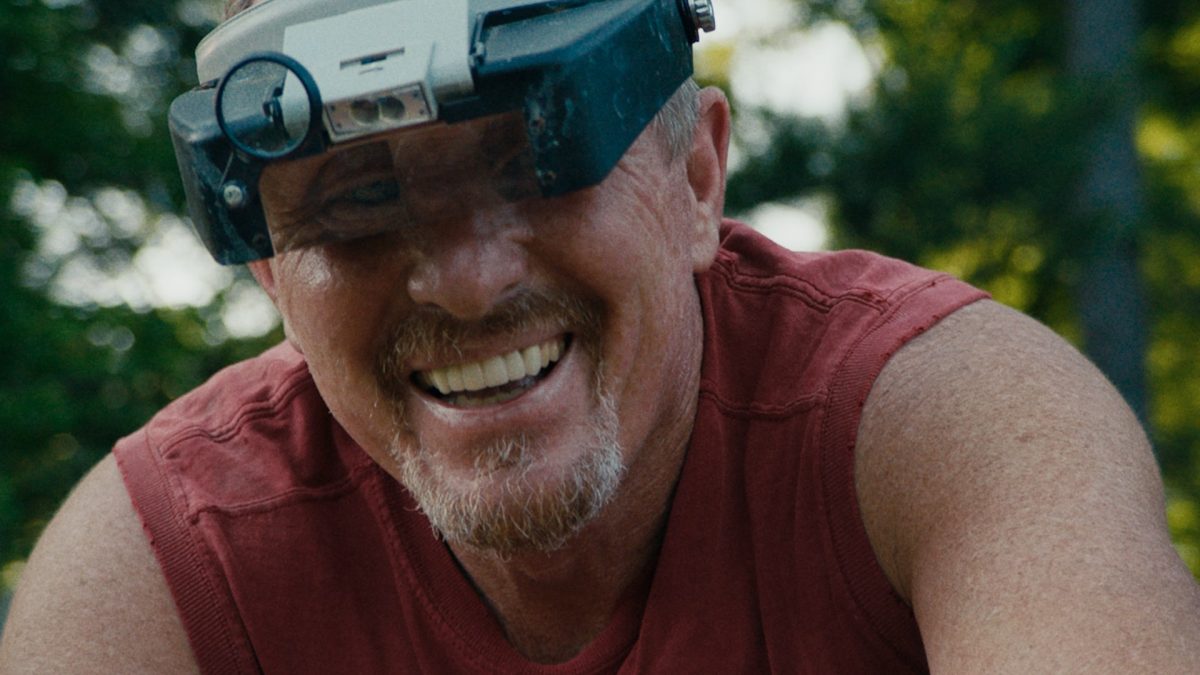


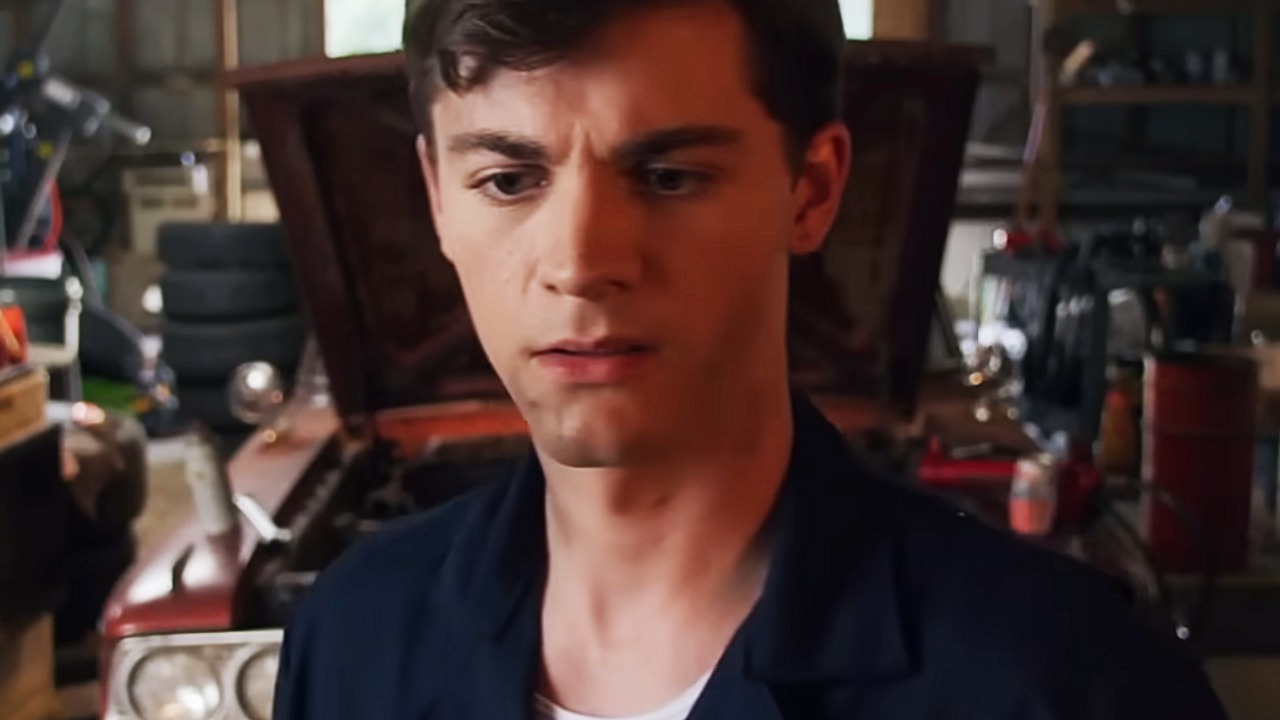
Brandon is just trying to find his footing. Stepping into a new job at a local garage, he expects nothing more than a paycheck and the lingering smell of motor oil. But in the quiet moments between fixing carburetors and sweeping shop floors, he finds a connection that is as intense as it is ephemeral. Luca Leggieri’s Fairlane is a tender, nostalgic coming-of-age drama that captures the specific, localized gravity of a first crush, led by two remarkably naturalistic performances.
The narrative arc of Fairlane is deceptively simple: Brandon (Jordan Doww) starts his first day at Curtis Morgan’s Garage, where he meets the more experienced, slightly enigmatic Evan (Benjamin Esqueda). What starts as co-worker camaraderie—sharing cigarettes and stories about lost parents—quickly shifts into something more magnetic. Leggieri, who co-wrote the film with Valerie Betts, understands that intimacy often lives in the mundane; it’s in the way a hand lingers while passing a ratchet or the shared silence in the front seat of a car.
“You knock me off my feet,” the soundtrack blares during a neon-soaked night at a karaoke bar, mirroring the internal disorientation Brandon feels as he navigates this new emotional terrain. The film excels in the “pressure cooker” environment of the garage, but it truly breathes in the stillness of the aftermath—specifically a moment inside Evan’s car, “Old Blue,” where the world outside seems to vanish, leaving only two young men and the weight of what remains unsaid.
DP (and co-writer) Valerie Betts utilizes a visual language that perfectly mirrors the film’s emotional beats. The cinematography shifts from the warm, dust-heavy atmosphere of the daytime garage to the saturated, moody neons of the nightlife, finally settling into the low-key, intimate lighting of the car interior. This formal strategy highlights the “raw authenticity” of the performances, capturing the sweat and grease on their skin with a tactile intimacy that makes their connection feel lived-in and real.
“There’s no such thing as moving on… you just learn how to live with it,” Brandon’s mother remarks earlier in the film, a sentiment that haunts the final act. When Evan abruptly disappears, leaving behind only his shop uniform and a mixtape titled For Brandon, the film transforms into a quiet elegy for the people who change us before vanishing from our lives. It’s a “gut-punch” ending that avoids easy catharsis, opting instead for a bittersweet recognition that some connections are meant to be transformative rather than permanent.
Produced out of the Florida State University College of Motion Picture Arts, Fairlane carries a stylistic maturity that belies its student-film origins. Leggieri and his team have crafted a work that feels like a “valuable reminder” of the intensity of adolescent attraction—the kind that curdles the stomach and makes the heart race. As Brandon sits alone in his room, listening to the tape Evan left behind, the film leaves us in that same state: a little more vulnerable, a little more bruised, and deeply moved by the fleeting beauty of a memory.